Discover the best foods and treats that support a pug’s unique needs—from tiny jaws to sensitive skin. This guide highlights five carefully chosen products designed for small breeds, with a focus on digestion, coat health, and energy management. Each option is assessed for ingredients, nutritional balance, and suitability for adult pugs, puppies, and picky eaters.
| Product | Brand | Type | Best For |
|---|---|---|---|
| Royal Canin Pug Adult Dry Dog Food | ROYAL CANIN | Dry Food | Adult Pugs, coat and skin support |
| Royal Canin Pug Puppy Dry Dog Food | ROYAL CANIN | Dry Food | Puppy development, small kibble |
| Healthy Breeds Pug Jerky Bites Chicken & Rice | Healthy Breeds | Dog Treats | Training, small bites, chicken & rice |
| Nature’s Recipe Grain Free Small Breed | Nature’s Recipe | Dry Food | Small breeds, grain-free |
| Optimeal Small Breed Lamb & Rice | Optimeal | Dry Food | Small breeds, high protein, digestibility |
Royal Canin Pug Adult Dry Dog Food
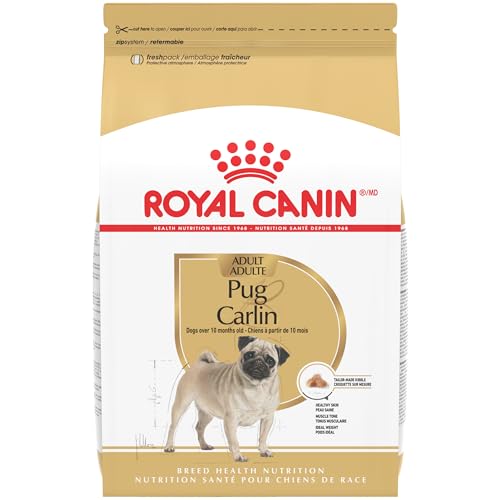
Designed specifically for purebred pugs aged 10 months and older, this dry formula uses a cloverleaf kibble to accommodate a pug’s short, square muzzle. It supports skin and coat health with EPA and DHA from fish oil. The precise nutrient balance aims to sustain energy while promoting a healthy immune system and digestion. Suitable for adult pugs, it emphasizes breed-specific needs in a ready-to-serve dry food format.
Royal Canin Pug Puppy Dry Dog Food

Geared toward purebred Pug puppies from 8 weeks to 10 months, this formula features a specialized kibble that’s easy for small mouths to grasp and chew. It includes an antioxidant complex to support developing immunity and overall growth. The kibble shape and nutritional profile align with the energy needs and digestive comfort of young pugs, helping establish healthy lifelong eating habits.
Healthy Breeds Pug Jerky Bites Chicken & Rice

These small-bite jerky treats are formulated with organic chicken as the main ingredient and are free from wheat, corn, and soy. They are designed for training and rewarding, with freshness and safety in mind. While marketed as treats, their simple ingredient profile makes them a suitable occasional addition to a pug’s balanced diet, especially for picky eaters or trainers seeking bite-sized rewards.
Nature’s Recipe Grain Free Small Breed Dry Food

A grain-free option designed for small breeds, this dry dog food uses real chicken as the first ingredient and adds vitamins and minerals for maintenance. The grain-free formula can be gentler on digestion for some dogs and supports a healthy coat with balanced fats. It’s a practical choice for small-pet households seeking predictable, small kibble portions with straightforward ingredients.
Optimeal Small Breed Lamb & Rice

Optimeal’s small-breed formula uses lamb as the first ingredient, offering highly digestible protein and a palatable taste. The blend emphasizes high-energy support and includes prebiotic FOS to aid digestion. This option is built for small dogs that require balanced nutrition and an approachable kibble size that suits a pug’s jaw shape.
Buying Guide: Key Purchase Considerations For Pug Nutrition
- Age and life stage: Puppies and adults have different nutritional needs. Consider formulas labeled for puppies or adults to align with your pug’s current stage.
- Kibble size and shape: Pugs have short muzzles; kibble designed for small breed mouths can improve chewing efficiency and reduce choking risk.
- Digestive comfort: Look for foods with high-quality protein sources, limited fillers, and added fibers or prebiotics to support gut health and stool consistency.
- Skin and coat support: Pugs often benefit from omega fatty acids (EPA/DHA) and skin-health nutrients to minimize shedding and irritation.
- Allergies and sensitivities: If your pug has food sensitivities, consider grain-free or single-animal-protein options, and avoid common allergens.
- Calorie control and weight management: Manage portion sizes and choose formulas with controlled calories or weight-management claims if your pug is prone to overweight.
- Protein source and ingredient quality: Prioritize recognizable proteins (e.g., chicken, lamb) and avoid unnecessary fillers or artificial colors and flavors.
- Treats vs. meals: Treats should complement meals; monitor total daily calories to prevent overfeeding while using treats for training.
- Lifecycle transitions: When switching foods,Do so gradually over 7–14 days to minimize digestive upset. Start by mixing new and old foods.
- Brand reliability and sourcing: Choose established brands with breed-specific lines or small-breed formulas, and ensure products meet standard nutritional guidelines.
For pugs, the balance of calories, fat content, and digestibility is essential. The products listed above cover a spectrum from breed-specific meals to small-breed options and training treats, enabling a pug owner to tailor a diet that supports healthy weight, skin, coat, and energy levels. Always consult with a veterinarian before making significant dietary changes or if your pug has particular health concerns.