Direct answer: For shipping food, choose durable, reusable ice pack sheets or gel packs that maintain cold temperatures for 12–24+ hours, resist sticking, and fit your containers. This guide highlights five top options, detailing who they are best for and why, with practical cautions to help you compare at a glance.
Buyer profile snapshot:
| Product | Best For | Key Benefit |
|---|---|---|
| LUNA ICE Dry Ice Packs (12 Pack, 3 lb) | Medium to large coolers; meal prep. | Long-lasting cooling with a mess-free, water-locking design. |
| WORLD-BIO Dry Ice Pack Sheets (6 Sheets) | Flexible packing; various container sizes. | Two-layer construction; absorb water and stay dry on surfaces. |
| Polar Tech IB 6 Ice-BrIx & XTREME BRIX | Professional shipping; rigid containers. | Long-lasting, leak-proof, reusable performance. |
| RAINBOW Dry Ice Pack Sheets (8 Sheets) | Lunch bags and coolers; travel use. | Economical, multi-sheet option with clear usage steps. |
| Tempk Non-Stick Dry Ice Packs (40 Packs) | Everyday food storage; large batch prep. | Non-stick design; longer cooling retention after absorbing water. |
Dry Ice Packs for Shipping – Long Lasting Ice Packs – 24+ Hour Freeze Power

Best For: Medium to large cooler setups and lunch-box style shipments where long-lasting cold is required. Why: These 12-pack 3 lb packs are designed to provide extended cooling with a reusable, water-locking format, reducing water mess and simplifying re-freezing. Caution: The bulk size means you’ll need more freezer space to store the full 12 packs. They are described as long-lasting and reusable, making them suitable for repeated shipments, but always confirm container fit before purchase.
Shipping Cold Packs Dry Ice for Shipping Frozen Food – Flexible Sheets

Best For: Flexible sizing and multi-use in varied containers and lunch bags. Why: Each sheet measures 13″ x 14″ with 24 cells and a seam that allows cutting to fit. They offer 24-hour cooling in insulated carriers and are designed to stay dry on contact with products. Caution: Not actual dry ice; requires soaking and careful drying before freezing to prevent clumping. They work best when you need adaptable coverage rather than a fixed-size pack.
Polar Tech | IB 6 | Ice-BrIx & XTREME BRIX Cold Packs

Best For: Professional shipping where reliability and leak resistance matter. Why: These 6 oz, 6″ x 4″ x 3/4″ packs are crafted to be long-lasting, leak-proof, and reusable, offering robust performance for perishable shipments. Caution: Availability and exact sizing can vary; ensure compatibility with your cooler or shipping container before ordering in bulk.
RAINBOW Dry Ice Packs for Shipping, 8 Sheets

Best For: Travel-friendly and broad categorization of uses including lunch bags and coolers. Why: These 8 sheets, each with 12 cells, provide an economical way to maintain cold temps over hours. The product notes emphasize proper soaking and drying steps to maximize effectiveness. Caution: They require careful setup to avoid moisture-related clumping after freezing.
Tempk Dry Ice Packs for Shipping Non-Stick – 40 Packs
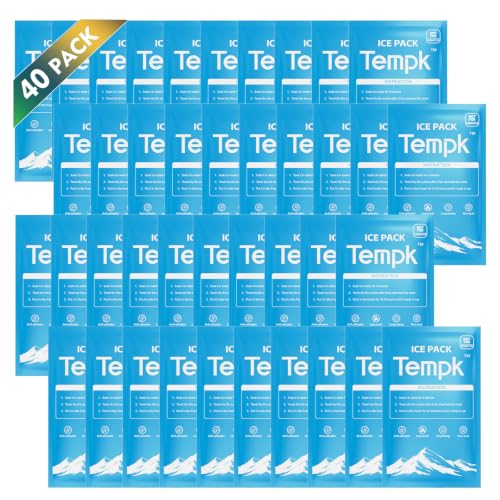
Best For: Large-scale packing and multiple-use environments where non-stick performance is valued. Why: Not CO2, these non-stick packs expand after absorbing water to a larger size, deliver up to 18 hours of cooling, and claim a division-friendly non-stick surface to prevent freezing together with other packs. Caution: They are not actual dry ice; plan storage and freezing steps to align with your workflow to maintain consistent cold temps.
Buying Guide: Key Considerations for Dry Ice Packs in Food Shipping
- Cooling duration: Match the expected transit time with packs rated for 12–24+ hours. Long-lasting packs reduce the risk of temperature excursions.
- Container fit: Consider pack size, sheet flexibility, and full coverage for your cooler or shipping box. Larger or adjustable packs are more versatile.
- Material safety: Look for BPA-free and food-contact-safe materials, especially when packs touch edible items.
- Reusability and cleaning: Reusable packs save costs over time but require freezer space and cleaning between uses.
- Non-stick and gel integrity: Non-stick designs prevent water from turning into a slurry around items, while gel-based packs should maintain integrity after multiple cycles.
- Ease of use: Some packs require soaking or drying steps before use; factor in prep time and handling during packaging.
FAQ
- What is the difference between dry ice and dry ice packs?
Answer: Dry ice is CO2 in solid form; dry ice packs are gel or water-based packs designed to stay cold and are not CO2. They require soaking or activation before use and are safer for consumer handling in most shipping contexts. - How long should each dry ice pack keep items cold?
Answer: Most packs target 12–24 hours in an insulated container, with some premium options claiming 24+ hours under ideal conditions. - Can I freeze these packs and reuse them?
Answer: Yes, most are designed for repeated freezing and use, though performance may vary with cycles and storage conditions. - Are these packs safe for food contact?
Answer: Look for BPA-free materials and explicit food-contact safety notes from the manufacturer to ensure suitability for edible items. - Do I need to pre-activate sheets or packs?
Answer: Some sheets require soaking in water or other activation steps before freezing; follow the product instructions for best results.